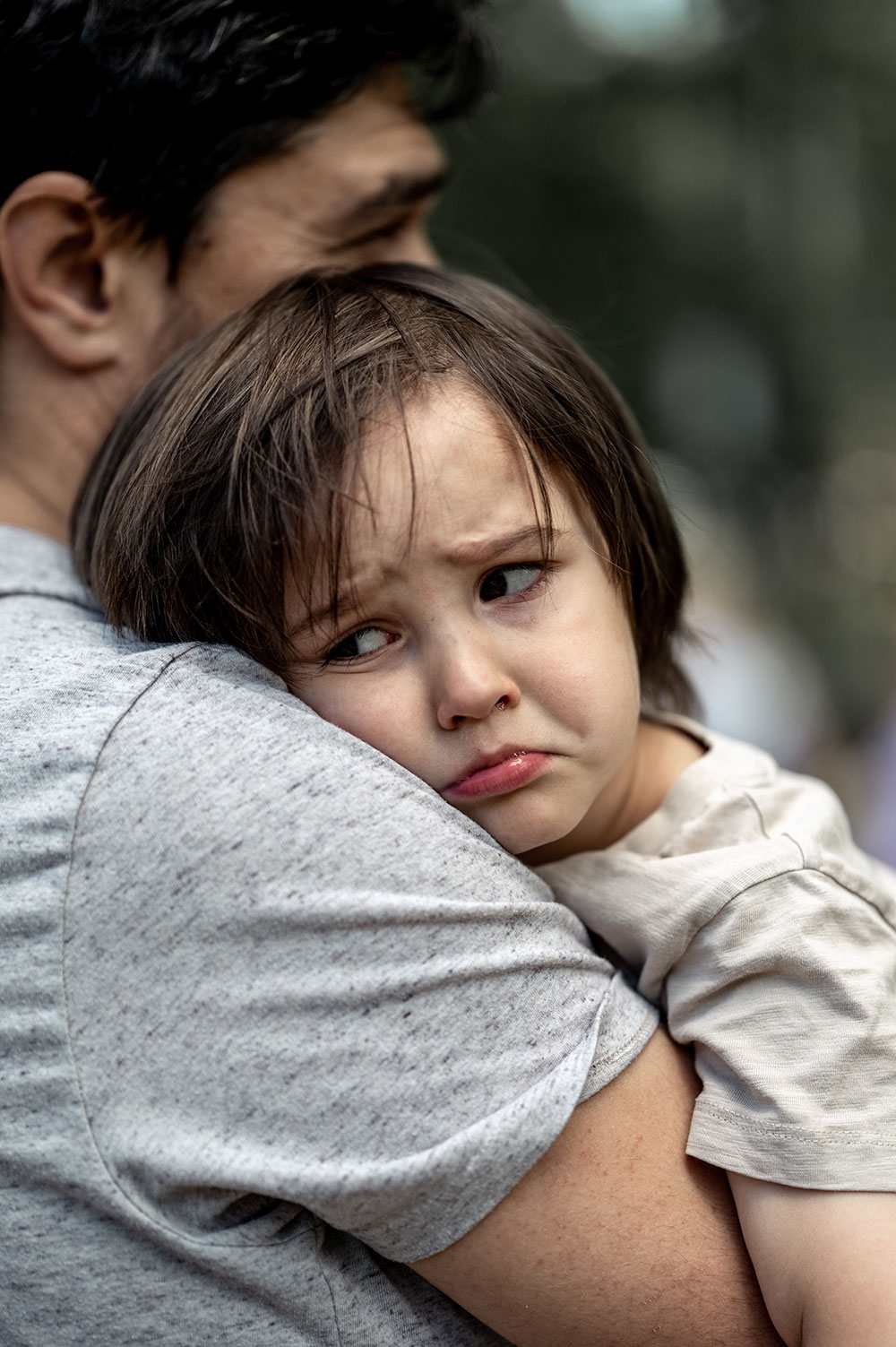
Helping Your Child Develop a Healthy Relationship with Anxiety

Helping Your Child Develop a Healthy Relationship with Anxiety

As a parent, it’s natural to want to protect your child from discomfort, especially when it comes to anxiety. However, anxiety is a normal and even necessary part of life. Teaching your child how to navigate these feelings early on can help prevent it from developing into a more serious anxiety condition later in life. In fact, anxiety is the most common mental health condition affecting children today. But with the right tools and strategies, it’s entirely manageable.

Understanding Anxiety

Anxiety is our body’s natural response to stress. It’s triggered by a perceived threat, whether real or imagined, and can lead to physical, emotional, and behavioral symptoms. While these responses are natural, when anxiety goes unchecked, it can become overwhelming. Chronic anxiety can impact a child’s overall health and development. Children may experience anxiety for a variety of reasons, ranging from genetic predisposition and environmental factors to family dynamics and school pressures. It’s rarely one single factor but a combination of these that shapes a child’s experience with anxiety.


Image
Image

Recognizing Anxiety in Your Child

Anxiety in children can manifest in many ways. Your child might show physical signs like stomach aches or headaches, or you might notice changes in their behavior, such as irritability, avoidance, or trouble concentrating. Some children may become more withdrawn, while others could act out.

Common Pitfalls Parents Fall Into

When faced with their child’s anxiety, parents sometimes react in ways that, although well-intentioned, may not be helpful. For example, you might be tempted to minimize your child’s worries or offer constant reassurance to ease their fears. You may also find yourself avoiding situations that trigger their anxiety or being overly protective to shield them from distress. While these actions might provide temporary relief, they don’t address the root of the problem and can sometimes make anxiety worse. It’s important to remember that your goal is not to eliminate your child’s anxiety but to help them learn how to manage it.

Image

How to Create a Supportive Environment

The first step in helping your child manage anxiety is creating an environment where they feel safe expressing their feelings. Open communication is key—let your child know it’s okay to talk about their fears and worries without judgment. Listen attentively, validate their emotions, and encourage them to explore different ways to express what they’re feeling, whether through talking, drawing, or even playing. This supportive space will help your child feel more comfortable sharing their feelings of anxiety with you, which is the first step toward managing it.

Empowering Your Child

Once your child feels safe discussing their anxiety, it’s time to empower them to take control. Teach your child to identify their anxiety triggers and work on coping strategies. Problem-solving skills are invaluable here. Help them break down big fears into smaller, manageable steps, and celebrate each success along the way. By guiding your child to face their fears, you’re giving them tools they’ll use for life. Anxiety is not something to be feared but understood and navigated with care.

The Power of Your Own Experience

Your child looks to you for cues on how to respond to the world. By normalizing anxiety and openly discussing how you handle your own stress, you show them that it’s okay to feel anxious sometimes. Share your experiences and work on managing your anxiety together. In the end, the goal isn’t to remove anxiety from your child’s life, but to help them develop a positive relationship with it. By equipping them with the right tools, you’re setting them up to thrive in a world where challenges are inevitable but manageable.

Image
APPOINTMENT